How to Choose an Implant Dentist

Full arch treatment changes how you eat, speak, and smile for decades. That makes the choice of provider just as important as the procedure itself. Experience, technology, and comfort options vary widely between practices. Many patients feel unsure what to compare. A little research now prevents regret later. Knowing which questions matter helps you feel confident during every consultation. Here is a practical guide to evaluating your options before you commit to treatment.

Finding the Right Provider for Your Smile

Wondering how to tell one practice from another? Before booking, research who will place your full mouth dental implants Pittsburgh PA and what experience stands behind them. Here is what to compare.

Check Training and Experience

Full arch cases demand more skill than placing a single implant. Ask how many similar cases the dentist completes each year. Find out about advanced training and any specialist partners on the team. Request before and after photos of real patients. Experience shows in planning, surgical precision, and natural looking results. A provider who welcomes these questions usually has nothing to hide. Trust your instincts during the conversation. Confidence in the answers should guide your decision.

Look for Modern Imaging Technology

Precise planning starts with detailed scans. Three-dimensional imaging shows bone density, nerve locations, and sinus position before surgery begins. Some practices use guided surgery, where a custom template directs each implant into its ideal spot. This technology improves accuracy and often shortens recovery. Ask what equipment the office uses and how it shapes your treatment plan. Modern tools reward patients with better results. Better planning means fewer surprises and a more predictable, comfortable experience.

Ask About Sedation Options

Fear keeps many patients from treatment. Fortunately, comfort options have improved. Some practices offer oral sedation, while others provide intravenous sedation for longer procedures. Ask which choices exist and who administers them. Find out what monitoring happens during surgery. Understanding your options eases anxiety before the appointment even arrives. Comfort matters as much as skill. A team that prioritizes comfort makes a long procedure feel manageable. Never hesitate to share your concerns openly with the dentist.

Review Warranties and Follow Up Care

Treatment does not end when the final teeth arrive. Ask what warranty covers the implants and the restoration. Find out how the office handles adjustments, repairs, or complications afterward. Regular maintenance visits protect your investment, so confirm how they work. Get every promise in writing before treatment starts. Clear written policies show a practice stands behind its work. Vague promises deserve extra caution. Strong follow up support gives you peace of mind for years.

Read Patient Reviews Carefully

Reviews reveal what patients actually experience. Look for comments about communication, comfort, and how the team handled problems. Pay attention to patterns rather than single opinions. Consistent praise for clear explanations is a good sign. Ask the office whether you can speak with a past patient. Real stories add context that websites cannot provide. Take your time gathering information. Combine this feedback with your own consultation impressions to form a balanced view.

Conclusion: Finding the Right Provider for Your Smile

Choosing a provider for full arch treatment deserves careful thought. Check training and experience, then look for modern imaging and sedation options. Review warranties and read patient feedback closely. Each factor helps you compare practices fairly. Ask direct questions and expect clear answers. Take notes during consultations so you can compare later. The right dentist explains your plan patiently and respects your concerns. Choose wisely, and your new smile will serve you comfortably for many years.
High Voltage Work Demands Specialized Skill

High voltage systems power ports, plants, and large manufacturing sites. They also carry serious risk. A single error can injure workers, destroy equipment, or halt operations for days. Many project owners underestimate how different this work is from standard electrical jobs. Careful planning and proven expertise make the difference. Here is what high voltage installation involves and why the right team matters for every phase of the project.

Understanding High Voltage Installation

Planning a large power project and unsure where to begin? A qualified industrial electrical contractor Charleston SC businesses rely on manages the risks and details from design through startup. Here is how the work unfolds.

Detailed Planning and Load Studies

Every high voltage project starts with careful engineering. Teams calculate expected loads, map power routes, and confirm equipment ratings. Load studies show whether existing infrastructure can handle new demand. Short circuit and coordination studies help protective devices react correctly during faults. Skipping this step often leads to undersized equipment and costly redesigns. Thorough planning keeps budgets accurate and schedules realistic. It also gives everyone a clear roadmap before any crew steps onto the site.

Safe Installation Practices

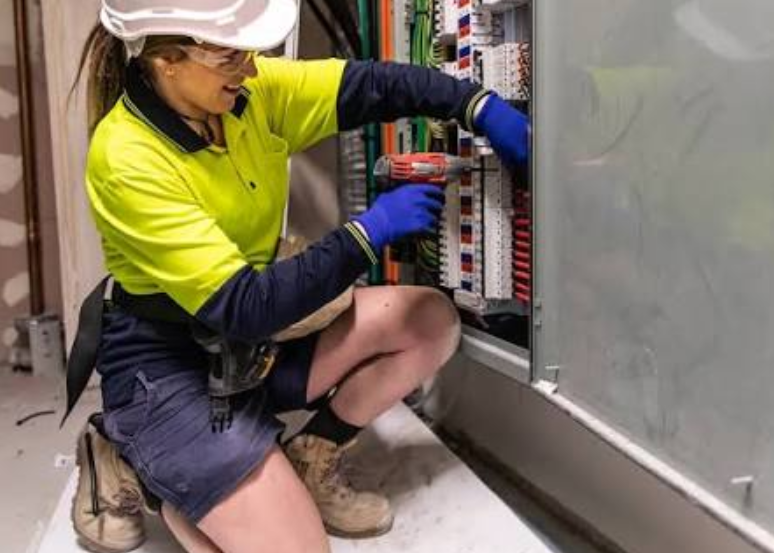
High voltage work follows strict safety procedures. Crews use lockout and tagout steps, insulated tools, and protective gear on every task. Only qualified workers handle energized or high energy equipment. Clear exclusion zones keep other staff away from hazards. Daily safety briefings review risks and assign responsibilities. These habits prevent injuries and protect equipment from damage. Facilities benefit from crews who treat safety as routine discipline, never as an afterthought. Steady procedures create predictable, dependable results.

Testing and Commissioning

Installation is not finished until testing proves everything works. Technicians verify insulation strength, check protective relays, and confirm proper grounding. They test transformers, switchgear, and cables under controlled conditions. Documented results show that equipment meets design specifications and code requirements. Commissioning brings systems online in careful stages while crews watch for surprises. This process catches small errors before they cause outages. Thorough testing gives owners confidence that power will stay reliable once operations begin.

Working in Active Facilities

Ports and factories rarely stop for construction. Skilled contractors plan outages around production schedules and shipping demands. They stage work in phases so critical areas stay powered whenever possible. Clear communication with operations teams prevents unpleasant surprises. Temporary power solutions can keep key equipment running during transitions. This careful coordination protects revenue while upgrades move forward. Experience in live environments helps crews adapt quickly when conditions change unexpectedly.

Documentation and Long-Term Support

Good records make future service easier. Final packages should include updated drawings, test reports, and equipment manuals. Labeled panels and clear one-line diagrams help technicians troubleshoot quickly. Ask about maintenance programs and emergency response after handoff. Ongoing support keeps systems healthy as demands grow. Strong documentation also simplifies inspections and insurance reviews. Choose a partner who stays involved after the project ends and values lasting relationships.

Conclusion: Understanding High Voltage Installation

High voltage installation requires careful engineering, disciplined safety, and thorough testing. Experienced electricians also know how to work around active operations without costly interruptions. Complete documentation and ongoing support protect your investment long after startup. Ask detailed questions before choosing a partner and expect clear answers. The right team delivers safe, reliable power that supports your operation for years to come. Plan carefully, hire wisely, and your facility will run with confidence.

What to Expect During Your Full Mouth Dental Implant Journey

For many patients, the decision to pursue full mouth dental implants is made after years of managing a deteriorating dentition with solutions that never fully solved the problem. Once that decision is made, the next question is almost always the same. What actually happens next, how long does it take, and what will the experience along the way feel like?

Knowing What Lies Ahead Makes the Journey Far Less Daunting

The full mouth implant process involves multiple stages that unfold over several months, and patients who understand what each stage involves approach their treatment with confidence rather than anxiety. Those ready to take the first step trust experienced providers of whole mouth dental implants Pittsburgh PA to guide them through every phase with the clarity and professional support the journey deserves.

The Consultation and Planning Phase Sets Everything in Motion

To begin with, the treatment journey begins with a comprehensive consultation that goes well beyond a standard dental appointment. Three-dimensional imaging captures the full anatomy of the jaw, bone volume and density are evaluated at every potential implant site, existing teeth and their condition are assessed, and the overall health picture is reviewed for factors that could influence treatment timing or approach. This information forms the foundation of a personalized treatment plan that specifies implant positions, restoration design, surgical sequencing, and the timeline the patient can expect from first procedure to final delivery.

Surgical Placement Is More Comfortable Than Most Patients Anticipate

Furthermore, one of the most common sources of patient anxiety about implant treatment is the surgical phase, and one of the most consistent findings among patients who have completed it is that the experience was significantly more manageable than they expected. Modern anesthesia and sedation options allow surgical placement to be completed comfortably, and the post-surgical recovery period, while requiring appropriate rest and dietary adjustments, is typically well managed with prescribed protocols that most patients find far less disruptive than they anticipated.

The Healing Phase Requires Patience That the Final Result Rewards

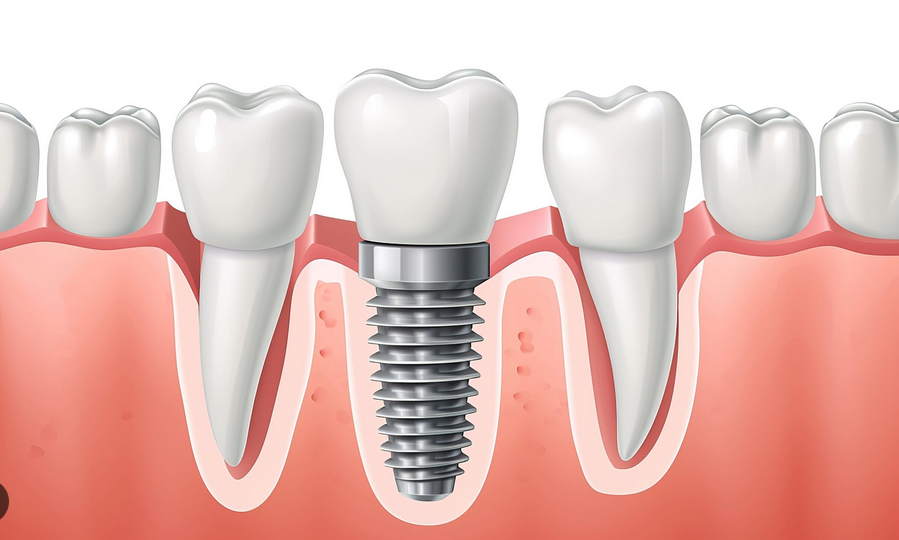
Another stage of the full mouth implant journey that patients benefit from understanding in advance is the osseointegration period following surgical placement. This is the phase during which the implant fixtures bond directly with the surrounding jawbone through a biological process that cannot be rushed without compromising the stability of the final restoration. Depending on bone quality, implant position, and individual healing response, this phase typically spans several months during which patients wear a provisional restoration that maintains appearance and basic function. 

The Final Restoration Delivers the Result That Makes Everything Worthwhile

Finally, the delivery of the definitive final restoration is the stage where the full transformation becomes tangible in a way that provisional solutions only approximate. A precisely fitted, carefully designed full arch restoration that is stable, functional, natural in appearance, and comfortable to wear represents the culmination of every preceding phase and the beginning of a new relationship with eating, speaking, smiling, and presenting oneself with genuine confidence. 

Conclusion: Knowing What Lies Ahead Makes the Journey Far Less Daunting

To wrap it all up, the full mouth dental implant journey moves through comprehensive planning, surgical placement, a healing phase that builds the foundation for lasting results, and a final restoration delivery that transforms daily life in profoundly meaningful ways. Each stage has a purpose, a timeline, and a role in the finished outcome that makes the overall investment worthwhile many times over. Understanding the journey before it begins is what allows patients to move through it with confidence.

The Role of General Contractors in Coordinating Remodeling and Construction Projects 

When you’re planning a remodeling or construction project, juggling all the moving parts can feel overwhelming. That’s where a general contractor steps in as your project’s coordinator and problem-solver. Their role is crucial in bringing your vision to life smoothly and efficiently.  

How General Contractors Help in Remodeling 

Let’s take a closer look at what general contractors do and why they’re essential for any Atlanta remodeling and construction project. 

Acting as the Project Manager 

At the heart of their role, general contractors serve as project managers. They oversee the entire project from start to finish, making sure every detail is handled on time and within budget. This includes scheduling tasks, ordering materials, and coordinating subcontractors like electricians, plumbers, and carpenters. 

By managing all these moving pieces, general contractors help reduce stress and keep the project moving forward without unnecessary delays. 

Coordinating Subcontractors and Specialists 

A remodeling or construction project often requires many different experts. A general contractor’s job is to bring these specialists together and ensure they work in harmony. They vet subcontractors for quality and reliability and schedule their work to avoid conflicts. 

This coordination is vital because it prevents overlaps or gaps in the workflow, which can lead to costly mistakes or downtime. 

Managing Permits and Compliance 

Building or remodeling usually involves permits and inspections to meet local building codes and regulations. General contractors are familiar with these requirements and handle the permit applications and scheduling of inspections on your behalf. 

Their expertise in compliance ensures that your project meets all legal standards, helping you avoid fines or future problems when selling your home. 

Handling Budgets and Cost Control 

Keeping a remodeling or construction project within budget can be challenging. General contractors provide cost estimates and help you plan accordingly. Throughout the project, they monitor expenses and adjust plans as needed to prevent overspending. 

This financial oversight helps you get the best value for your investment and avoid surprise costs that can derail your plans. 

Communicating with You Throughout the Project 

Effective communication is one of the most important roles of a general contractor. They act as your main point of contact, updating you on progress, addressing concerns, and answering questions. 

Having a single, knowledgeable person to turn to keeps things transparent and helps you stay informed, so you feel confident and involved in every step of the project. 

Conclusion: How General Contractors Help in Remodeling 

General contractors are the glue that holds remodeling and construction projects together. By managing schedules, coordinating teams, handling permits, controlling costs, and keeping communication clear, they simplify the process and help ensure your project’s success. Whether you’re updating a kitchen or building a new home, partnering with a skilled general contractor makes the journey smoother and more enjoyable. 

How Electricians Help Bring Older Homes Up to Modern Code Standards 

Older homes are full of charm, character, and history—but they often come with outdated electrical systems that no longer meet modern safety codes. If you’re living in or purchasing an older home, bringing it up to code isn’t just a good idea—it’s essential for your safety and your home’s functionality. Fortunately, licensed electricians know exactly how to tackle these issues and upgrade your system without compromising the home’s original feel. 

How To Update Your Home’s Old Electrical Wiring 

Let’s explore how an electrician Charleston SC do it and why their role is so important. 

1. Inspecting the Existing Electrical System 

The first step in updating an older home is a thorough inspection. A licensed electrician will evaluate your entire electrical system, including the wiring, outlets, breaker panel, and any connected appliances. They’ll check for hazards like frayed wires, overloaded circuits, or ungrounded outlets. 

This inspection gives them a clear picture of what needs updating and helps create a plan tailored to your home.  

2. Replacing Outdated Wiring 

Many older homes still have knob-and-tube or aluminum wiring, which can’t safely support today’s electrical loads. These outdated systems are prone to overheating, sparking, and even fires. A licensed electrician will carefully remove or bypass these old wires and replace them with modern copper wiring that’s safer and more efficient. 

Not only does this upgrade protect your home, but it also improves performance—so you can use modern appliances and technology without worrying about tripping breakers or dimming lights. 

3. Upgrading the Electrical Panel 

Another critical update is the electrical panel. Older panels often lack the capacity to handle modern electrical demands. You might have a 60-amp or 100-amp panel when today’s homes typically require at least 150 to 200 amps. 

An electrician will upgrade the panel to provide the power your household needs—whether it’s for a new HVAC system, kitchen remodel, or electric vehicle charger. This upgrade also ensures your home meets current building codes and can pass inspections when it comes time to sell. 

4. Adding Ground Fault and Arc Fault Protection 

Modern codes require GFCI (Ground Fault Circuit Interrupter) outlets in places like kitchens, bathrooms, garages, and outdoor areas. These outlets shut off power automatically if they detect water or moisture, which helps prevent shocks. Electricians also install AFCI (Arc Fault Circuit Interrupter) protection, which guards against electrical fires caused by arcing. 

Older homes rarely have these safety features, but a professional can install them in the necessary areas—bringing your home up to today’s safety standards without disrupting its vintage look. 

5. Ensuring Proper Outlet Placement and Grounding 

Many older homes simply don’t have enough outlets for today’s electronics and appliances. Worse yet, some of the existing outlets may be ungrounded, which poses a safety risk. A licensed electrician will evaluate where outlets are needed and ensure they’re safely grounded and correctly placed. 

Conclusion: How To Update Your Home’s Old Electrical Wiring 

Bringing an older home up to modern electrical code isn’t just about meeting regulations—it’s about creating a safer, more functional space for you and your family. With their help, you can enjoy the charm of your older home while still meeting modern expectations for safety and convenience.