
High Voltage Work Demands Specialized Skill
High voltage systems power ports, plants, and large manufacturing sites. They also carry serious risk. A single error can injure workers, destroy equipment, or halt operations for days. Many project owners underestimate how different this work is from standard electrical jobs. Careful planning and proven expertise make the difference. Here is what high voltage installation involves and why the right team matters for every phase of the project.
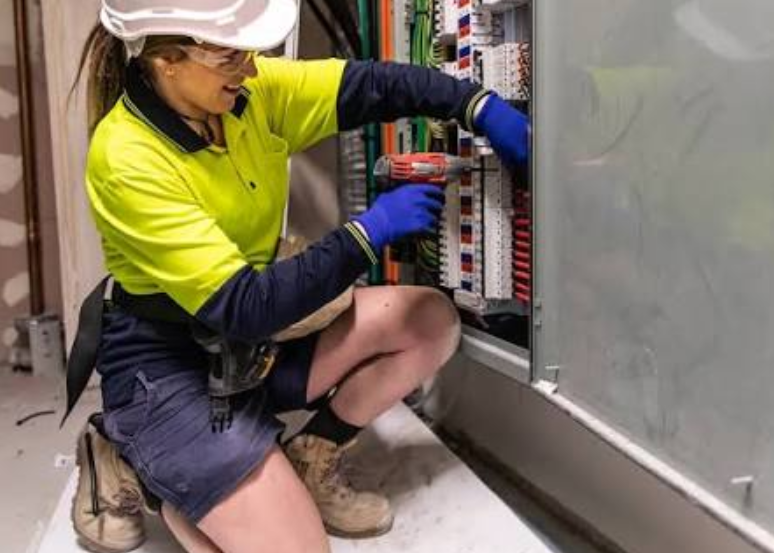
Understanding High Voltage Installation
Planning a large power project and unsure where to begin? A qualified industrial electrical contractor Charleston SC businesses rely on manages the risks and details from design through startup. Here is how the work unfolds.
Detailed Planning and Load Studies
Every high voltage project starts with careful engineering. Teams calculate expected loads, map power routes, and confirm equipment ratings. Load studies show whether existing infrastructure can handle new demand. Short circuit and coordination studies help protective devices react correctly during faults. Skipping this step often leads to undersized equipment and costly redesigns. Thorough planning keeps budgets accurate and schedules realistic. It also gives everyone a clear roadmap before any crew steps onto the site.
Safe Installation Practices
High voltage work follows strict safety procedures. Crews use lockout and tagout steps, insulated tools, and protective gear on every task. Only qualified workers handle energized or high energy equipment. Clear exclusion zones keep other staff away from hazards. Daily safety briefings review risks and assign responsibilities. These habits prevent injuries and protect equipment from damage. Facilities benefit from crews who treat safety as routine discipline, never as an afterthought. Steady procedures create predictable, dependable results.
Testing and Commissioning
Installation is not finished until testing proves everything works. Technicians verify insulation strength, check protective relays, and confirm proper grounding. They test transformers, switchgear, and cables under controlled conditions. Documented results show that equipment meets design specifications and code requirements. Commissioning brings systems online in careful stages while crews watch for surprises. This process catches small errors before they cause outages. Thorough testing gives owners confidence that power will stay reliable once operations begin.
Working in Active Facilities
Ports and factories rarely stop for construction. Skilled contractors plan outages around production schedules and shipping demands. They stage work in phases so critical areas stay powered whenever possible. Clear communication with operations teams prevents unpleasant surprises. Temporary power solutions can keep key equipment running during transitions. This careful coordination protects revenue while upgrades move forward. Experience in live environments helps crews adapt quickly when conditions change unexpectedly.
Documentation and Long-Term Support
Good records make future service easier. Final packages should include updated drawings, test reports, and equipment manuals. Labeled panels and clear one-line diagrams help technicians troubleshoot quickly. Ask about maintenance programs and emergency response after handoff. Ongoing support keeps systems healthy as demands grow. Strong documentation also simplifies inspections and insurance reviews. Choose a partner who stays involved after the project ends and values lasting relationships.
Conclusion: Understanding High Voltage Installation
High voltage installation requires careful engineering, disciplined safety, and thorough testing. Experienced electricians also know how to work around active operations without costly interruptions. Complete documentation and ongoing support protect your investment long after startup. Ask detailed questions before choosing a partner and expect clear answers. The right team delivers safe, reliable power that supports your operation for years to come. Plan carefully, hire wisely, and your facility will run with confidence.
Recent Comments